Sign in. It’s quick, free and it’s up to you.
An account is an optional way to support the work we do. Find out more.
Sign in. It’s quick, free and it’s up to you.
An account is an optional way to support the work we do. Find out more.
IT HAS BEEN five long years since Ireland last went to the polls for the local and European elections.
Irish voters will go to the polls once again on 7 June to elect MEPs to Europe as well as county and city councillors for Ireland’s 31 local authorities.
As well as this, voters in Limerick City will cast their ballots for a directly elected mayor for the first time.
A lot has happened over the past five years, and the upcoming elections have the potential to go very differently that the last ones at home and in Europe.
But to effect the change (or to keep the status quo), first you have to be registered to vote and know how to do it.
The first thing you need to do if you want to vote is check that you’re registered.
You can do this by visiting the Check The Register website. Or if you’re in Dublin, you can head over to Voter.ie.
You can check the register at these sites by entering your Eircode and PPS number, and if you’re not registered you can sign up to vote. You can also fill out an application form and contact your local authority directly.
In order to be eligible for the upcoming elections, your application to register must be received by the local authority at least 15 days beforehand, excluding Sundays and bank holidays.
If it is received on or after 14 days before the election takes place, you will not be registered to vote.
For the locals, you do not have to be an Irish citizen to vote, but you must be ordinarily resident in the the state. In the European elections, you must be an Irish citizen or from another EU member state and on the register of electors to vote.
If everything goes according to plan, your polling card should arrive in the post before the election. This card includes:
You have to vote at the polling station named on your card, which is usually your local polling station.
You can go there on the day of the election (7 June) between 7am and 10pm.
Bring a valid form of ID, as you will likely be asked to show it, as your polling card is NOT a valid ID. A passport, driver’s licence, student card, public services card, etc, should do the trick.
On the day, you’ll be handed three sheets of paper (four in Limerick): one with a list of candidates for the European elections, one for the local elections, and one to vote in a referendum on Ireland’s participation in the Unified Patent Court (UPC).
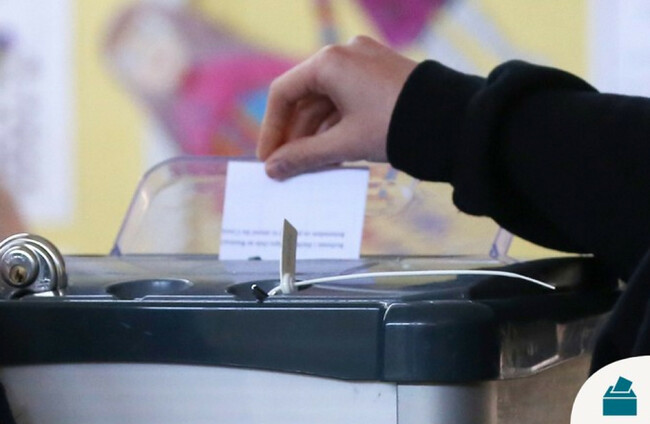
You can mark the papers for the elections from 1 downwards in order of preference, and pop the pages into the ballot box when you’re finished.
Simple!

To embed this post, copy the code below on your site















have your say